Book Appointment Now

Best Portrait Tattoo Artist Sydney: Capturing Detail and Emotion
What makes a portrait tattoo artist in Sydney “the best”?
A leading tattoo artist Sydney clients trust earns that label by delivering repeatable realism, not one lucky tattoo. In a strong portfolio, every portrait shows accurate proportions, controlled contrast, and clean values that hold up in healed photos. They also demonstrate range—black and grey, colour realism, pet portraits, and memorial pieces—without sacrificing quality.
Most importantly, an experienced tattoo artist Sydney collectors rely on knows when to simplify. The best artists choose details that matter and avoid overpacking micro-texture that can blur over time.
How can someone judge a Sydney portrait tattoo portfolio quickly?
They should look for healed work first. Fresh portraits can look impressive because redness and ink sheen boost contrast, but healed photos reveal the truth. A quality portfolio includes multiple healed examples under normal lighting, with faces still readable from a few steps back.
They can also zoom in on eyes, lips, and hairline transitions. If the eyes feel alive and the gradients are smooth without patchiness, the artist likely understands realism fundamentals.
Why do some portrait tattoos lose likeness after healing?
They often fail because the tattoo relied on tiny, sharp details instead of solid value structure. Overly thin lines, under-packed greys, or excessive white highlights can fade quickly. On the other side, heavy black in the wrong areas can harden facial features and change expression.
A top portrait tattoo artist plans for healing by building a clear midtone foundation, placing contrast where it will last, and leaving enough skin breaks for readability.
What portrait tattoo styles are most common in Sydney studios?
They typically offer black and grey realism, colour realism, and illustrative realism hybrids. Black and grey portraits remain popular because they age predictably and suit memorial work. Colour portraits can look stunning, but they require excellent colour theory and careful aftercare to keep skin tones natural.
Some artists specialise further in microrealism, but the best ones still prioritise legibility over tiny novelty details.
How should they choose between black and grey versus colour portrait tattoos?
They should choose black and grey if they want timeless contrast, smoother aging, and a more forgiving heal. It also suits older photos and emotional memorial pieces where mood matters more than vibrancy.
They should choose colour if the reference depends on colour cues, such as childhood photos, pets, or cinematic lighting. The key is picking an artist whose portfolio shows consistent, healed colour portraits, not just fresh saturation.
What should they bring to a portrait tattoo consultation?
They should bring the highest-resolution reference possible, ideally several. A great artist will ask for clear front-facing shots, plus extra angles to understand structure. If the tattoo is a memorial, they might also ask what emotion should come through, such as softness, strength, or calm.
They should also bring honesty about placement, size, and budget. Portraits need room, and forcing a face too small is one of the most common mistakes.
How do size and placement affect portrait realism?
They affect everything. A portrait needs enough surface area for smooth gradients and stable detail. Forearms, upper arms, calves, thighs, chest, and back often work well because they offer cleaner space and better viewing angles.
Hands, ribs, and small inner arm spots can be tricky due to distortion, movement, and limited room. A responsible artist will recommend scaling up or changing placement rather than accepting a design that will not age well.
How do they know if a Sydney artist is truly specialised in portraits?
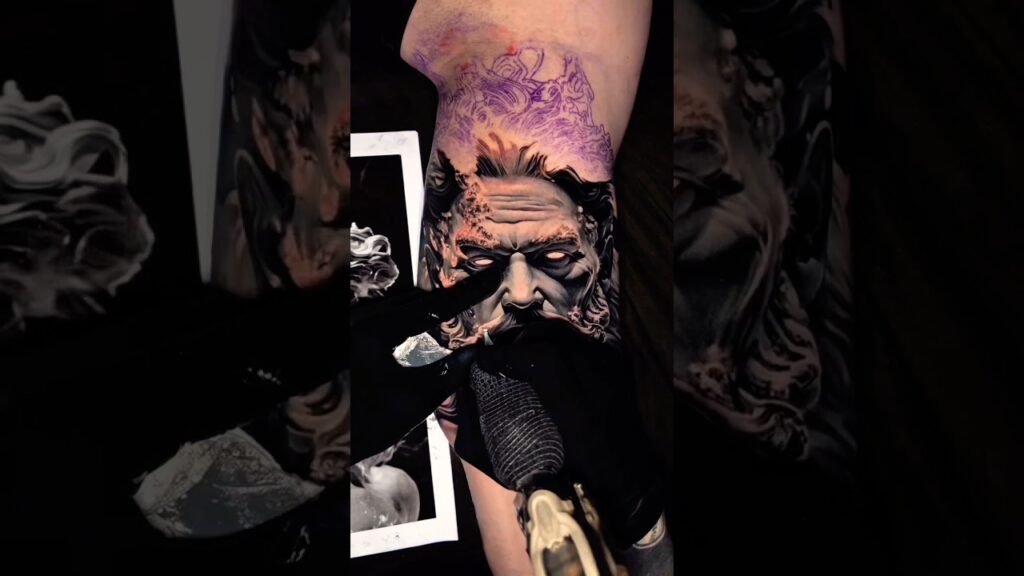
They should check whether portraits are a core focus, not an occasional add-on. If the artist’s feed is mostly script, traditional, or fine line, one portrait does not prove mastery. A specialist will show dozens of faces, different skin tones, different lighting, and both fresh and healed results.
They will also speak confidently about process, such as stencil approach, value mapping, needle groupings, and how they protect highlights during healing.
What is the typical process for getting a portrait tattoo in Sydney?
They usually start with an enquiry and portfolio review, followed by a consult. The artist then prepares the design, often adjusting the reference for tattoo readability by increasing contrast or simplifying backgrounds. On the day, they stencil, map key landmarks, and build the portrait in layers.
A professional will also schedule appropriately. Rushed portrait sessions tend to produce muddy shading and poor likeness.
How much does a high-quality portrait tattoo in Sydney cost?
They should expect premium pricing because portrait realism is high-skill and time-intensive. Costs vary by artist reputation, size, colour versus black and grey, and session length. It is common for quality portrait work to be priced by day rate or hourly rate rather than a cheap flat quote.
They should treat unusually low pricing as a risk signal. Fixing a bad portrait is often more expensive than doing it right the first time.
What aftercare protects detail and emotion in a portrait tattoo?
They should follow the artist’s aftercare exactly, because realism depends on clean healing. Over-washing, picking, or letting it dry out can pull ink and ruin smooth gradients. Sun exposure is also a major threat, especially for fine shading and colour skin tones.
Long-term, they should use sunscreen on healed tattoos. A portrait can stay crisp for years if it is protected from UV and kept moisturised.
What questions should they ask before booking a portrait tattoo artist in Sydney?
They should ask to see healed portraits similar to their idea, not just the best highlight reel. They should ask how large the artist recommends, how many sessions it may take, and whether the artist edits the reference for better tattoo translation.
They should also ask about touch-ups, downtime between sessions, and how the artist handles changes to the reference. A confident specialist will explain trade-offs clearly and set realistic expectations.
How can they avoid common mistakes when choosing a portrait tattoo artist?
They should not book based on followers, studio location, or a single viral post. They should also avoid choosing an artist whose style does not match the reference, such as selecting a fine line specialist for high-contrast realism.
They should prioritise consistent healed work, clear communication, and an artist who is willing to say “no” to bad sizing or placement. That refusal is often the sign they care about the final result.
Where can they start if they want the best portrait tattoo experience in Sydney?
They can start by shortlisting a few portrait-focused artists, then comparing healed portfolios, not just fresh photos. From there, they should book consultations with the artist whose work shows consistent likeness, smooth value control, and emotion that reads instantly.
The best portrait tattoo artist in Sydney is the one whose work still looks like a person, not just a photo effect, long after the tattoo has healed. click here to get more about why tattoo bondi junction is growing in popularity.
FAQs (Frequently Asked Questions)
What defines the best portrait tattoo artist in Sydney?
The best portrait tattoo artist in Sydney consistently delivers repeatable realism across their portfolio, capturing accurate proportions, controlled contrast, and clean values that hold up in healed tattoos. They excel in various styles like black and grey, colour realism, pet portraits, and memorial pieces while knowing when to simplify details to ensure longevity.
How can I quickly assess a Sydney portrait tattoo artist’s portfolio?
Focus on healed tattoo photos rather than fresh work since healed images reveal true quality. Look for multiple healed examples under normal lighting where faces remain clear from a distance. Zoom in on key features like eyes, lips, and hairline transitions to check for alive eyes and smooth gradients without patchiness, indicating strong realism fundamentals.
Why do some portrait tattoos lose likeness after healing?
Portraits often lose likeness due to reliance on tiny sharp details instead of solid value structure. Thin lines, under-packed greys, or excessive white highlights fade quickly, while heavy black in wrong areas can harden features. Top artists plan healing by building clear midtones, placing lasting contrast strategically, and leaving skin breaks for readability.
What are common portrait tattoo styles offered by Sydney studios?
Sydney studios typically offer black and grey realism, colour realism, and illustrative realism hybrids. Black and grey is popular for its predictable aging and suitability for memorials. Colour portraits require excellent colour theory and aftercare to maintain natural skin tones. Some artists specialise in microrealism but prioritize legibility over excessive tiny details.
How should I choose between black and grey versus colour portrait tattoos?
Choose black and grey for timeless contrast, smoother aging, and forgiving healing—ideal for older photos or emotional memorials emphasizing mood over vibrancy. Opt for colour if the reference depends on colour cues like childhood photos or pets. Ensure the artist’s portfolio shows consistent healed colour portraits rather than just fresh saturation.
What should I bring to a portrait tattoo consultation in Sydney?
Bring the highest-resolution reference images possible, ideally several clear front-facing shots plus extra angles to help understand facial structure. For memorial tattoos, be ready to discuss the desired emotional tone such as softness or strength. Also provide honest information about placement preferences, size expectations, and budget since portraits need adequate space to age well.