Book Appointment Now

How to Choose Wedding Bouquet Flowers That Match Your Theme
Choosing bouquet flowers that match a wedding theme is less about “rules” and more about alignment. When the bouquet echoes the venue, styling, and season, everything looks intentional in photos and in real life.
A helpful way to decide is to lock in the theme first, then choose a color direction, then pick wedding bouquet flowers with shapes and textures that fit that mood. From there, they can refine details like size, ribbon, and greenery so the bouquet feels like part of the same story.
What is the wedding theme actually saying?
A theme communicates a mood, not just a look. If they can describe the wedding in three words (for example, “romantic garden party” or “modern minimal chic”), bouquet choices become clearer.
Themes usually point to flower “personalities.” Soft and nostalgic themes suit rounded blooms and airy movement. Clean, modern themes suit structured shapes and fewer varieties. Once the theme is clear, they can select flowers that naturally behave that way. Click here to get how to choose the perfect peony bouquet for any occasion.
Which color palette will look cohesive in photos?
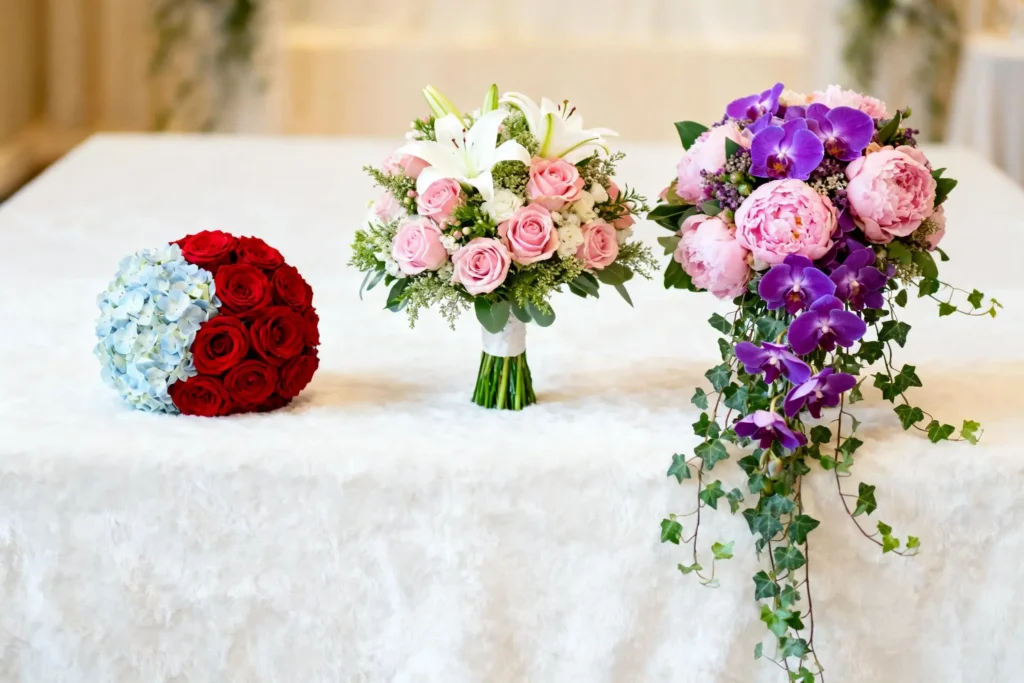
A cohesive palette is the fastest way to make a bouquet match the theme. They should start with two to three core colors, then add one neutral and one accent if needed.
Soft palettes (ivory, blush, pale peach) feel classic and romantic. High contrast palettes (white and black accents, bold reds, deep greens) feel dramatic or formal. Monochrome palettes (all white, all pastel) feel editorial and modern, especially when texture does the heavy lifting.
Which flower shapes match the style of the wedding?
Flower shape affects the entire vibe. Round blooms feel traditional and romantic, while spiky or linear blooms feel contemporary and architectural.
If their theme is classic or timeless, they can lean into roses, peonies, ranunculus, hydrangea, and tulips. If their theme is modern or fashion-forward, they can use calla lilies, anthuriums, orchids, delphinium, snapdragons, and sculptural foliage. Mixing shapes is fine, but the dominant shape should match the theme.
How can they match bouquet texture to the overall styling?
Texture is what makes a bouquet feel “lush,” “wild,” “clean,” or “glam.” They should mirror the textures already present in the day, like linens, stationery, and dress details.
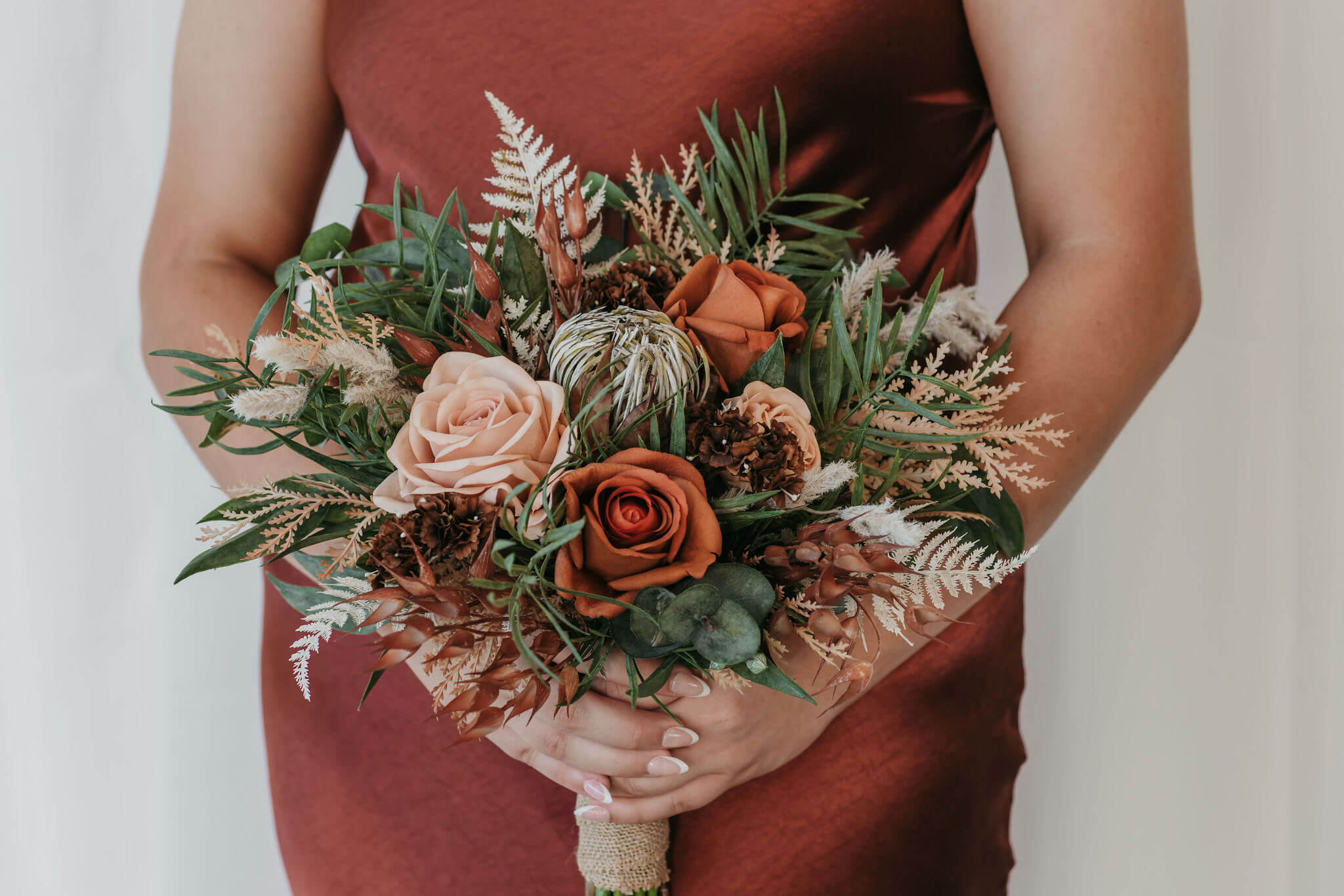
For a soft romantic theme, they can choose layered petals and cloud-like fillers. For a rustic or boho theme, they can add airy grasses, seed pods, and loose greenery. For a formal theme, they can keep textures smooth and polished, with fewer elements and a tighter finish.
What role should greenery play in the theme?
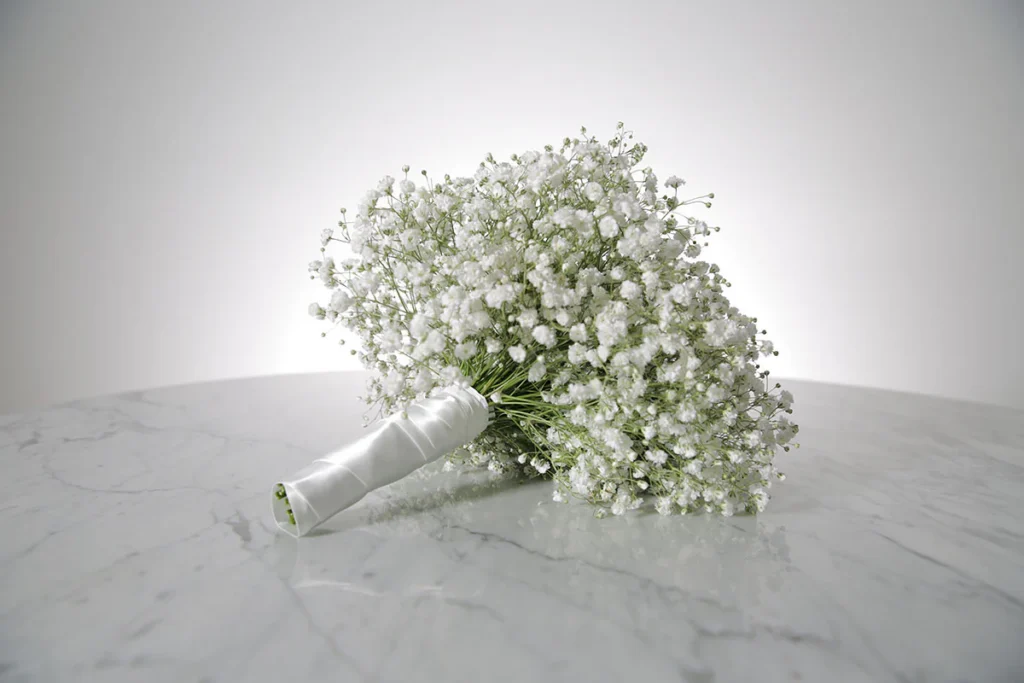
Greenery sets the backdrop and can instantly shift the bouquet’s tone. Minimal greenery feels refined and modern, while abundant greenery feels organic and garden-like.
Eucalyptus and olive branch tend to read clean and Mediterranean. Ferns and ivy can feel woodland. Soft, trailing greens create movement for boho themes, while compact greens help keep a bouquet crisp for modern or formal looks.
How do they choose seasonal flowers without losing the look?
Seasonal flowers usually look fresher, photograph well, and can be more cost-effective. They can keep the theme intact by focusing on color and shape first, then swapping in seasonal equivalents.
If a dream flower is out of season, they can ask for a similar silhouette. For example, ranunculus can replace some peony softness, and tulips can mimic a simple modern look. The bouquet can still match the theme if the palette and structure stay consistent.
How can the bouquet match the venue and setting?
The venue is a built-in style guide. A ballroom pairs well with elegant, rounded or cascading arrangements, while a beach setting suits lighter, airier bouquets that move naturally.
Garden venues can handle more variety and a “just-picked” feel. Industrial spaces often look best with structured shapes and a restrained palette. They should aim for harmony rather than competition, so the bouquet complements the background instead of fighting it.
What bouquet shape best fits the theme?
Bouquet shape is as important as flower choice. They should pick a silhouette that reinforces the overall aesthetic.
A round bouquet feels classic and formal. A loose gathered bouquet feels relaxed, romantic, or boho. A cascading bouquet feels dramatic and traditional, especially with elegant gowns. A minimalist posy or single-variety bouquet feels modern and editorial, particularly with sleek styling.
How do they tie in bridal party and décor flowers?
The bouquet should feel like the “lead,” with bridal party flowers supporting the same theme. They can reuse the same palette and one or two signature blooms, then simplify the rest.
If centerpieces are full and textured, the bouquet can echo that fullness. If décor is minimal, the bouquet should avoid being overly busy. Repeating a flower variety across boutonnières, bridesmaid bouquets, and ceremony arrangements creates visual cohesion.
What small details make the bouquet feel truly on-theme?
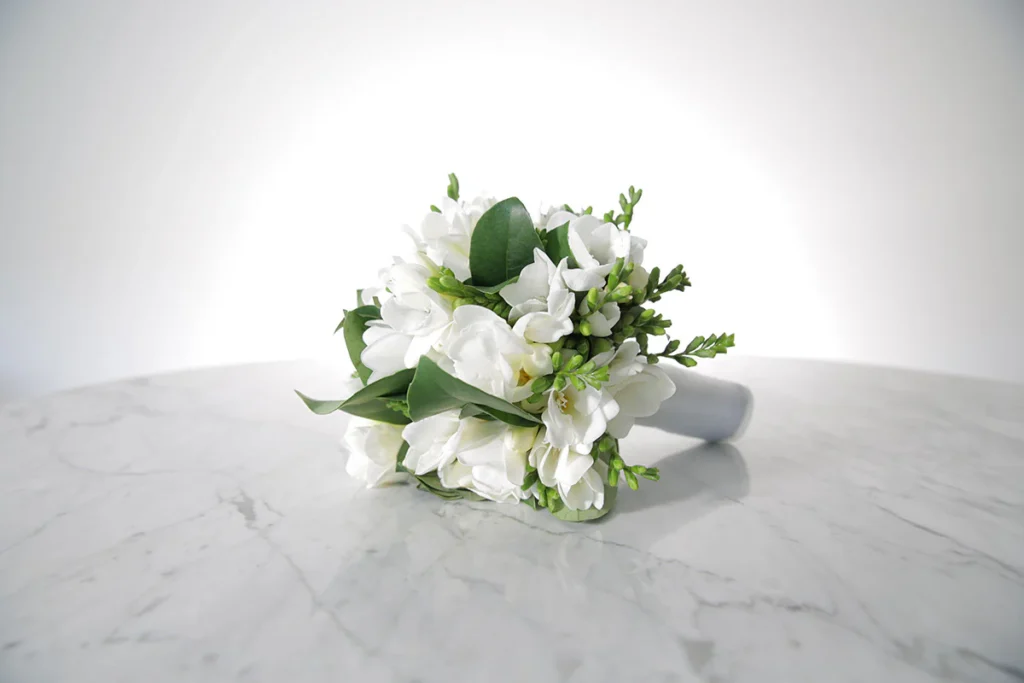
Finishing choices can make the bouquet look perfectly matched even if the flowers are simple. Ribbon color, ribbon texture, bouquet wrap, and trailing elements all shift the style.
Silk or satin ribbon feels formal and polished. Raw silk, velvet, or chiffon leans romantic. Linen or twine feels rustic. They can also echo stationery details, like adding a ribbon shade that matches invitation ink or day-of signage for a subtle, intentional link.
FAQs (Frequently Asked Questions)
How do I choose bouquet flowers that align with my wedding theme?
Start by locking in your wedding theme, then select a color direction that complements it. Next, pick flower shapes and textures that fit the mood of the theme. Finally, refine details like bouquet size, ribbon, and greenery to ensure the bouquet feels like part of the same story as your venue and styling.
What role does color palette play in creating a cohesive wedding bouquet?
A cohesive color palette is key to matching your bouquet to the wedding theme and ensuring it looks great in photos. Begin with two to three core colors, add one neutral, and an accent if needed. Soft palettes (ivory, blush) create a romantic feel, high contrast palettes add drama, and monochrome palettes offer a modern editorial vibe.
Which flower shapes best suit different wedding styles?
Flower shape influences the bouquet’s vibe. Rounded blooms like roses and peonies suit classic or romantic themes, while spiky or linear blooms such as calla lilies and orchids fit modern or fashion-forward weddings. Mixing shapes is fine but keep the dominant shape aligned with your wedding style.
How can I match bouquet texture to my overall wedding styling?
Texture creates mood—lush, wild, clean, or glam. Mirror textures present in linens, stationery, and dress details. For soft romantic themes, choose layered petals and cloud-like fillers; rustic or boho themes benefit from airy grasses and loose greenery; formal themes work well with smooth textures and a polished finish.
What is the importance of greenery in wedding bouquets?
Greenery sets the backdrop for your bouquet’s tone. Minimal greenery feels refined and modern; abundant greenery offers an organic garden-like vibe. Choices like eucalyptus suggest a Mediterranean feel, ferns evoke woodland settings, trailing greens add movement for boho styles, while compact greens keep bouquets crisp for formal looks.
How can I incorporate seasonal flowers without compromising my wedding bouquet’s look?
Focus on color and shape first when selecting seasonal flowers to maintain your theme. If a preferred flower is out of season, ask for similar silhouettes—ranunculus can replace peony softness; tulips mimic simple modern looks. Keeping palette and structure consistent ensures the bouquet stays true to your vision while benefiting from fresher, cost-effective blooms.