Book Appointment Now

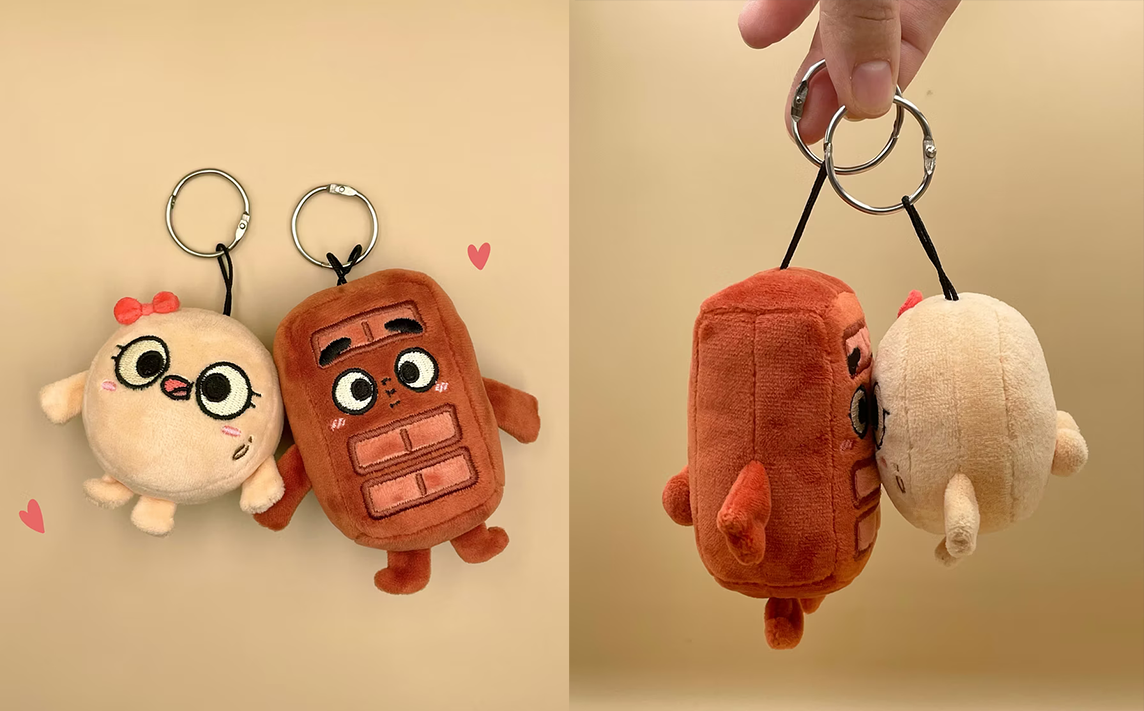
The Definitive Guide to Manufacturing Custom Stuffed Animals for Retail
What Is Involved in Manufacturing Custom Stuffed Animals for Retail?
Custom stuffed animals manufacturing transforms creative concepts into tangible retail products through a structured journey spanning design, prototyping, production, and delivery. The retail plush toys production process begins when clients submit their artwork or sketches, progresses through prototype development and approval, then moves into bulk manufacturing before culminating in packaged products ready for retail shelves.
The Importance of Customisation
Customisation serves as the cornerstone of this industry, enabling businesses to differentiate their brand presence in competitive markets. A bespoke plush toy can embody a company mascot, bring a children’s book character to life, or serve as a memorable promotional item that strengthens customer loyalty. The stuffed animal creation process offers flexibility in design elements—from fabric choices and colour schemes to size specifications and unique features—ensuring each product aligns precisely with marketing objectives and brand identity.
Who Uses Custom Stuffed Animals?
The client base for custom plush manufacturing spans an impressive spectrum:
- Fortune 100 corporations seeking branded merchandise for marketing campaigns
- Educational institutions requiring mascot representations for sports teams and school spirit
- Healthcare facilities ordering comforting companions for paediatric patients
- Entertainment venues such as amusement parks and theme attractions developing character merchandise
- Airlines and hospitality businesses creating memorable giveaways for young travellers
- Independent entrepreneurs and startups launching original character lines
- Authors and content creators transforming fictional characters into physical products
- Non-profit organisations producing fundraising merchandise
This diverse clientele demonstrates how custom stuffed animals manufacturing bridges creative vision with commercial viability, serving both established enterprises and emerging businesses entering the retail plush toys market.
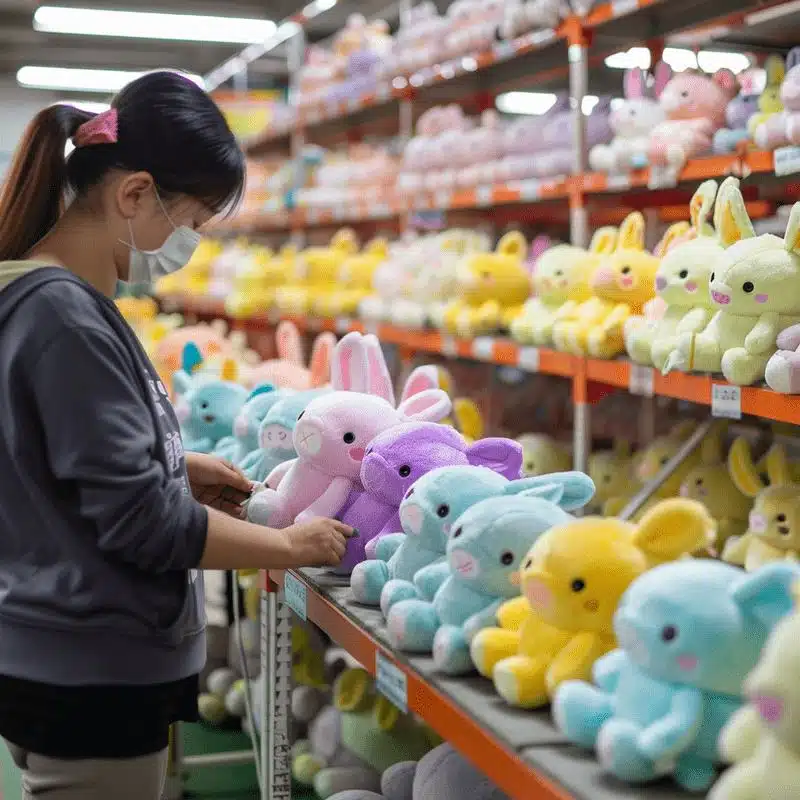
How Does the Design and Prototyping Phase Work?
The design and prototyping phase begins when clients submit their creative vision, which can range from professional digital artwork to simple hand-drawn sketches on paper. Manufacturers work with virtually any format, transforming rough concepts into tangible prototypes that capture the essence of the original idea. This flexibility allows businesses without in-house design teams to participate fully in custom plush toy design.
What Materials Do Clients Need to Provide?
Clients typically supply reference images, colour specifications, and dimensional requirements for their desired stuffed animal. A basic sketch showing front and side views proves sufficient for most projects, though detailed illustrations help manufacturers understand intricate features. Pantone colour codes ensure accurate colour matching, whilst written descriptions clarify textures, material preferences, and any special features like removable accessories or sound modules.
How Do Manufacturers Transform Concepts into Physical Prototypes?
Professional pattern makers translate two-dimensional artwork into three-dimensional specifications, creating technical patterns that account for seam allowances, stuffing distribution, and structural integrity. The stuffed animal prototyping process involves selecting appropriate fabrics, determining optimal stuffing density, and constructing a sample that matches the client’s vision. Skilled seamstresses handcraft initial prototypes, paying careful attention to proportions, facial expressions, and overall character.
What Happens During the Prototype Approval Process?
Manufacturers ship the first prototype to clients for hands-on evaluation, allowing them to assess size, colour accuracy, material quality, and overall appearance. This tangible sample reveals details that drawings cannot convey, such as how the plush toy feels, how it sits or stands, and whether facial features convey the intended expression. Clients photograph the prototype from multiple angles and share detailed feedback about any modifications needed.
The prototype approval process includes unlimited revisions, ensuring the final design meets exact specifications before production begins. Common adjustments include:
- Colour refinements to match brand guidelines precisely
- Proportion adjustments to improve visual balance
- Feature modifications such as eye placement or limb positioning
- Material substitutions for improved texture or durability
- Size alterations to meet packaging or display requirements
Why Does Collaboration Matter During This Phase?
Clear communication between client and manufacturer prevents costly misunderstandings. Regular check-ins throughout the design process enable both parties to stay aligned on goals and expectations. Collaborative decision-making fosters a sense of ownership over the project while leveraging each other’s expertise for better outcomes.
By actively involving clients in every step of development—from initial sketches through final prototypes—manufacturers build trust and rapport that leads to successful partnerships long after launch day has passed.
What Quality and Safety Standards Must Be Met?
Stuffed animal safety standards are the foundation of any legitimate custom plush manufacturing operation. Products destined for retail must comply with regulations such as ASTM F963 in the United States, EN71 in Europe, and similar standards in other markets. These regulations cover everything from flammability and mechanical hazards to chemical composition, ensuring that plush toys pose no risk to children or consumers.
Plush Toy Compliance Testing
Plush toy compliance testing occurs at certified third-party laboratories before products reach retail shelves. Manufacturers submit samples for rigorous evaluation that includes:
- Pull tests to verify seams and attachments withstand appropriate force
- Small parts testing to prevent choking hazards
- Flammability assessments to meet fire safety requirements
- Chemical analysis to detect prohibited substances like lead or phthalates
- Age-grading verification to ensure appropriate labelling
The testing process typically takes 2-4 weeks and generates documentation that retailers require before accepting inventory. Reputable manufacturers maintain relationships with accredited testing facilities and factor these timelines into production schedules.
Material Selection for Safety and Durability
High-quality plush manufacturing begins with carefully vetted materials that balance safety, durability, and aesthetic appeal. Manufacturers source fabrics, stuffing, and components from suppliers who provide material safety data sheets and compliance certificates. Polyester fibres dominate the industry due to their hypoallergenic properties, washability, and resistance to deterioration.
Eyes, noses, and decorative elements require particular attention. Embroidered features eliminate choking risks associated with plastic components, making them ideal for products targeting young children. When plastic elements are necessary, manufacturers use safety eyes with secure locking washers that withstand pull forces exceeding regulatory requirements.
Thread quality directly impacts product longevity. Industrial-grade polyester thread prevents seam failure even after repeated washing and handling. Manufacturers specify double-stitching or reinforced seams at stress points such as limbs and attachment areas.
Quality Control During Production
Retail consumers expect plush toys that maintain their appearance and integrity through regular use. Manufacturers implement multi-stage quality control processes that catch defects before products leave the facility. Inspection teams examine colour consistency, stitching accuracy, stuffing distribution, and overall.
How Are Pricing and Order Quantities Determined?
Custom stuffed animal pricing depends on complexity, materials, size, and order volume, with most manufacturers requiring a minimum order quantity of 500 pieces. This threshold allows factories to set up production lines efficiently whilst keeping per-unit costs reasonable for clients entering the retail market.
Understanding Minimum Order Requirements
The 500-piece minimum serves as an industry standard because it balances manufacturing efficiency with client accessibility. Smaller quantities drive up per-unit costs significantly due to setup fees, tooling expenses, and labour allocation. Manufacturers invest in creating custom moulds, cutting patterns, and quality control systems specific to each design—costs that spread more favourably across larger production runs.
Some factories offer tiered minimums based on product complexity:
- Simple designs: 500 pieces minimum
- Moderate complexity: 750-1,000 pieces
- Highly detailed characters: 1,500+ pieces
How Volume Affects Custom Stuffed Animal Pricing
Bulk order price breaks create substantial savings as quantities increase. A 500-piece order might cost £8 per unit, whilst a 2,000-piece order could drop to £5.50 per unit—a 31% reduction. These economies of scale emerge from reduced setup time per unit, better material purchasing power, and streamlined production workflows.
Price break tiers typically follow this structure:
- 500-999 pieces: Base pricing
- 1,000-2,499 pieces: 15-20% discount
- 2,500-4,999 pieces: 25-30% discount
- 5,000+ pieces: 35-40% discount
Manufacturers negotiate these rates based on design specifications, material choices, and production timelines. Rush orders command premium pricing, whilst flexible delivery schedules may unlock additional discounts.
Balancing Quality With Budget Constraints
The relationship between cost and quality requires careful navigation. Cheaper materials reduce immediate expenses but compromise durability, safety compliance, and retail appeal. A plush toy priced at £3 using substandard fabrics may fail safety tests or deteriorate quickly, damaging brand reputation and triggering costly recalls.
Smart budget allocation focuses on these priorities:
- Non-negotiable quality elements: Safety-critical components such as eyes or fastenings must meet industry standards regardless of cost constraints.
- Value-driven decisions: Assess which features contribute most to perceived value—upholstery fabrics or eco-friendly fillings—and allocate resources accordingly.
- Long-term investments: Consider potential savings from durability improvements—higher-quality stitching techniques or reinforced seams—that reduce return rates over time.
Finding the right balance between quality and budget is crucial for long-term success in the plush toy market.
What Roles Do Communication and Collaboration Play Throughout Production?
Effective manufacturing project communication serves as the backbone of successful custom stuffed animal production. Open dialogue between client and manufacturer prevents costly mistakes, reduces revision cycles, and ensures the final product matches the original vision. Without consistent touchpoints, projects risk delays, misaligned expectations, and products that miss the mark.
Establishing Communication Channels From Day One
Client-manufacturer collaboration begins the moment a project kicks off. Manufacturers typically assign dedicated project managers who become the single point of contact for all queries, updates, and concerns. This streamlined approach eliminates confusion about who to contact and ensures messages don’t get lost between departments.
Modern manufacturers use multiple communication platforms to accommodate client preferences:
- Email for formal approvals and documentation
- Phone calls for urgent matters requiring immediate attention
- Video conferencing for design reviews and prototype presentations
- Project management software for tracking milestones and deliverables
- Instant messaging apps for quick questions during business hours
Design Phase Communication Requirements
The design stage demands particularly intensive client-manufacturer collaboration. Manufacturers need detailed specifications about dimensions, colours, materials, and special features. Clients may not always have technical expertise, so manufacturers translate creative concepts into production-ready specifications.
During this phase, manufacturers ask probing questions about intended use, target audience, budget constraints, and timeline expectations. A plush toy destined for hospital gift shops requires different material considerations than one sold at amusement parks. These conversations shape every subsequent decision.
Prototype Review and Feedback Loops
Production updates become critical when physical prototypes arrive for client review. Manufacturers provide detailed photographs from multiple angles, highlighting specific features and construction details. Some send video walkthroughs demonstrating how the toy moves, sits, or displays particular characteristics.
Client feedback during prototype review must be specific and actionable. Vague comments like “make it cuter” create confusion, whilst detailed notes such as “increase ear size by 15% and adjust eye placement 5mm lower” give production teams clear direction. Experienced manufacturers guide clients toward this level of specificity.
Unlimited revisions during prototyping mean manufacturers remain responsive to change requests without rushing clients toward approval. This flexibility requires patience and understanding from both parties. Clients need reasonable time to review prototypes with stakeholders, whilst manufacturers need timely responses.
How Is Bulk Production Managed After Prototype Approval?
Mass production stuffed animals begins immediately once clients approve the final prototype. Manufacturers transition from single-unit creation to full-scale production by preparing detailed specifications, material orders, and production schedules that replicate the approved sample across hundreds or thousands of units.
Setting Up the Production Line
The plush toy manufacturing process requires manufacturers to create comprehensive production blueprints that document every detail of the approved prototype. These blueprints specify fabric types, stitching patterns, stuffing density, embroidery placements, and assembly sequences. Production teams use these documents to set up specialised equipment and train workers on the specific requirements of each custom design.
Material procurement happens in parallel with production setup. Manufacturers order fabrics, threads, stuffing materials, and accessories in quantities sufficient for the entire order plus a safety margin. Bulk material orders often arrive from multiple suppliers, requiring careful inventory management to ensure all components meet the quality standards established during prototyping.
Quality Control Checkpoints
Consistency across large production runs demands rigorous quality control measures at multiple stages. Manufacturers implement inspection points throughout the assembly process rather than waiting until completion:
- Pre-production inspection: Verifying all materials match prototype specifications
- In-line inspection: Checking products at key assembly stages (cutting, sewing, stuffing, finishing)
- Final inspection: Examining completed units before packaging
- Random sampling: Testing a percentage of finished products against the approved prototype
Quality control teams use the approved prototype as the gold standard, comparing each batch against this reference sample. Any deviations trigger immediate corrections to prevent defects from propagating through the entire production run.
Production Timeline Management
Effective production timeline management balances speed with quality to meet agreed delivery dates. Manufacturers break down the total order quantity into manageable production batches, allowing for continuous quality monitoring without overwhelming the production line. A typical 5,000-unit order might be divided into ten batches of 500 units each, with quality checks between batches.
Production schedules account for various factors:
- Complexity of design: Intricate details or multiple components require more time per unit
- Material availability: Delays in receiving specialised fabrics or accessories
- Seasonal demand: Peak periods may require extended production hours
What Logistics Are Involved in Delivering Finished Products?
Delivering custom stuffed animals requires strategic planning across packaging, transportation, and timing to ensure products arrive in pristine condition. Manufacturers coordinate multiple logistics elements simultaneously, from selecting appropriate packaging materials that showcase retail appeal to arranging freight solutions capable of handling bulk orders whilst maintaining strict delivery schedules.
How Should Custom Plush Toys Be Packaged for Retail?
Packaging serves dual purposes: protecting products during transit and presenting them attractively for retail display. Custom stuffed animals typically receive individual polybags or protective wrapping before being placed in master cartons, with each layer designed to prevent crushing, moisture damage, or contamination during the journey from factory to retail floor.
Retail-ready packaging often includes:
- Individual protective sleeves with hang tags and branding elements already attached
- Display-ready boxes that retailers can place directly on shelves without repackaging
- Custom outer cartons featuring handling instructions and product identification
- Moisture-resistant materials to protect plush fabrics from humidity exposure
The packaging strategy depends on the client’s specific retail requirements. Amusement park merchandise may need eye-catching display boxes, whilst promotional giveaways might require minimal packaging to reduce costs. Manufacturers work closely with clients to determine the optimal packaging solution that balances protection, presentation, and budget constraints.
What Shipping Methods Work Best for Large Plush Toy Orders?
Coordinating stuffed animal shipping logistics for orders of 500 pieces or more demands careful selection of freight methods based on destination, timeline, and cost parameters. Sea freight remains the most economical option for international shipments, though it requires advance planning with transit times ranging from 4-8 weeks depending on routing.
Air freight becomes necessary when clients face tight deadlines for retail launches or seasonal promotions. Whilst significantly more expensive than ocean transport, air shipping reduces transit time to 5-10 days, making it viable for time-sensitive campaigns. Manufacturers maintain relationships with multiple freight forwarders to secure competitive rates and reliable service.
Domestic shipments within the same country typically utilise:
- Full truckload (FTL) services for orders exceeding 10,000 units
- Less-than-truckload (LTL) options for smaller shipments consolidating with other cargo
By carefully managing these logistics aspects—packaging design tailored to retail preferences and strategic selection of shipping methods—manufacturers can ensure that their custom plush toys reach stores in perfect condition and on schedule.
Why Is Innovation Important in Custom Plush Toy Manufacturing?
Innovation drives market relevance and competitive advantage in the stuffed animals industry. Manufacturers who fail to evolve their materials, designs, and production techniques risk losing clients to more forward-thinking competitors who can deliver products that resonate with contemporary consumers.
How Do Material Innovations Transform Product Quality?
New materials used in plush toys production have revolutionised what’s possible in custom manufacturing. Modern fabrics offer enhanced durability, improved safety profiles, and unique tactile experiences that weren’t available a decade ago. Manufacturers now work with:
- Recycled polyester fibres that appeal to environmentally conscious brands
- Hypoallergenic fabrics suitable for children with sensitivities
- Antimicrobial textiles ideal for healthcare settings
- Memory foam components that provide superior shape retention
- Weighted filling materials for therapeutic plush toys
These material advancements allow retailers to differentiate their product lines whilst meeting specific customer demands. A children’s hospital, for instance, might require plush toys with antimicrobial properties, whilst an eco-friendly brand needs sustainable materials that align with their values. The transformative power of material innovations is evident in these scenarios.
What Design Innovations Capture Consumer Attention?
Innovation in the stuffed animals industry extends beyond materials to encompass design features that create memorable products. Interactive elements have become increasingly popular, including built-in sound modules, LED lighting, and even Bluetooth connectivity for smart plush toys.
Customisation options themselves represent a form of innovation. Manufacturers who offer:
- 3D embroidery for intricate logo reproduction
- Mixed-texture designs combining multiple fabric types
- Poseable limbs using internal wire frameworks
- Removable accessories that enhance play value
- Custom scent infusion for sensory marketing
These capabilities enable retailers to create distinctive products that stand out on crowded shelves. A sports team mascot with poseable arms can interact with fans more effectively than a static design, whilst a branded plush toy with signature scent creates a multisensory brand experience.
How Does Innovation Address Changing Consumer Preferences?
Consumer expectations shift rapidly, particularly in retail markets where trends emerge and fade within months. Manufacturers must monitor these changes and adapt their offerings accordingly. Current research suggests that understanding consumer behavior can significantly influence the success of product innovations in this sector (source).
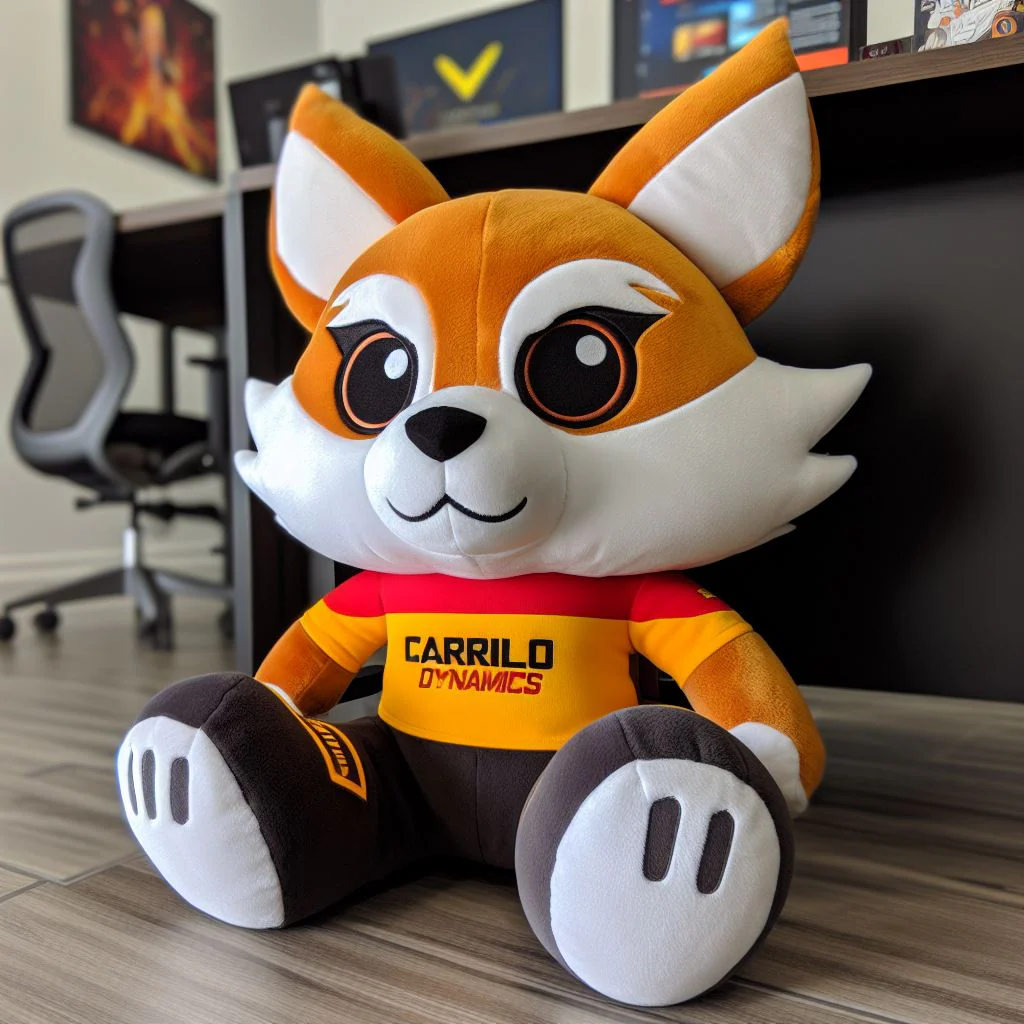
How Do Manufacturers Support Clients From Concept to Shipment?
Stuffed animal manufacturers offer comprehensive support throughout the entire production process. This includes every stage, starting from when a client shares their initial idea and continuing until they receive their finished products. This all-inclusive approach guarantees that clients receive expert guidance at every crucial point, eliminating the stress of dealing with multiple vendors or navigating unfamiliar manufacturing procedures.
Initial Concept Development
Manufacturers begin by helping clients refine their vision, regardless of how rough the initial concept might be. A simple hand-drawn sketch or verbal description becomes the starting point for professional design consultation. Expert teams assess feasibility, suggest improvements, and identify potential challenges before any resources are committed to production.
Design and Prototyping Assistance
During the design phase, manufacturers translate client ideas into tangible prototypes whilst offering technical expertise on material selection, construction methods, and safety compliance. Clients receive detailed feedback on how their design will translate into a physical product, including recommendations for enhancing visual appeal or improving durability.
The prototype review process includes unlimited revisions, allowing clients to perfect every detail without additional costs. This iterative approach ensures the final design precisely matches the client’s vision before bulk production begins.
Production Management
Once prototypes receive approval, manufacturers oversee the entire production run with meticulous quality control. Clients receive regular updates on production progress, sample inspections at key milestones, and immediate notification of any issues requiring attention. This proactive communication prevents surprises and keeps projects on schedule.
Quality Assurance and Compliance
Manufacturers handle all safety testing and regulatory compliance requirements, ensuring products meet relevant standards for the intended market. Clients benefit from established relationships with testing laboratories and deep knowledge of international safety regulations, eliminating the need to research complex compliance requirements independently.
Logistics and Delivery Coordination
The final stage involves coordinating packaging specifications, selecting appropriate shipping methods, and managing customs documentation for international orders. Manufacturers work with trusted logistics partners to secure competitive shipping rates whilst ensuring products arrive undamaged and on time.
This end-to-end support model transforms what could be an overwhelming process into a collaborative partnership. Clients gain access to decades of manufacturing expertise, established supplier networks, and proven quality control systems—all whilst maintaining creative control over their custom stuffed animal designs.
More about Metal Keychains vs. PVC Keyrings: A Comparison of Durability and Cost